Oil War Chaos: Governments Push WFH to Protect Citizens from Pump Pain
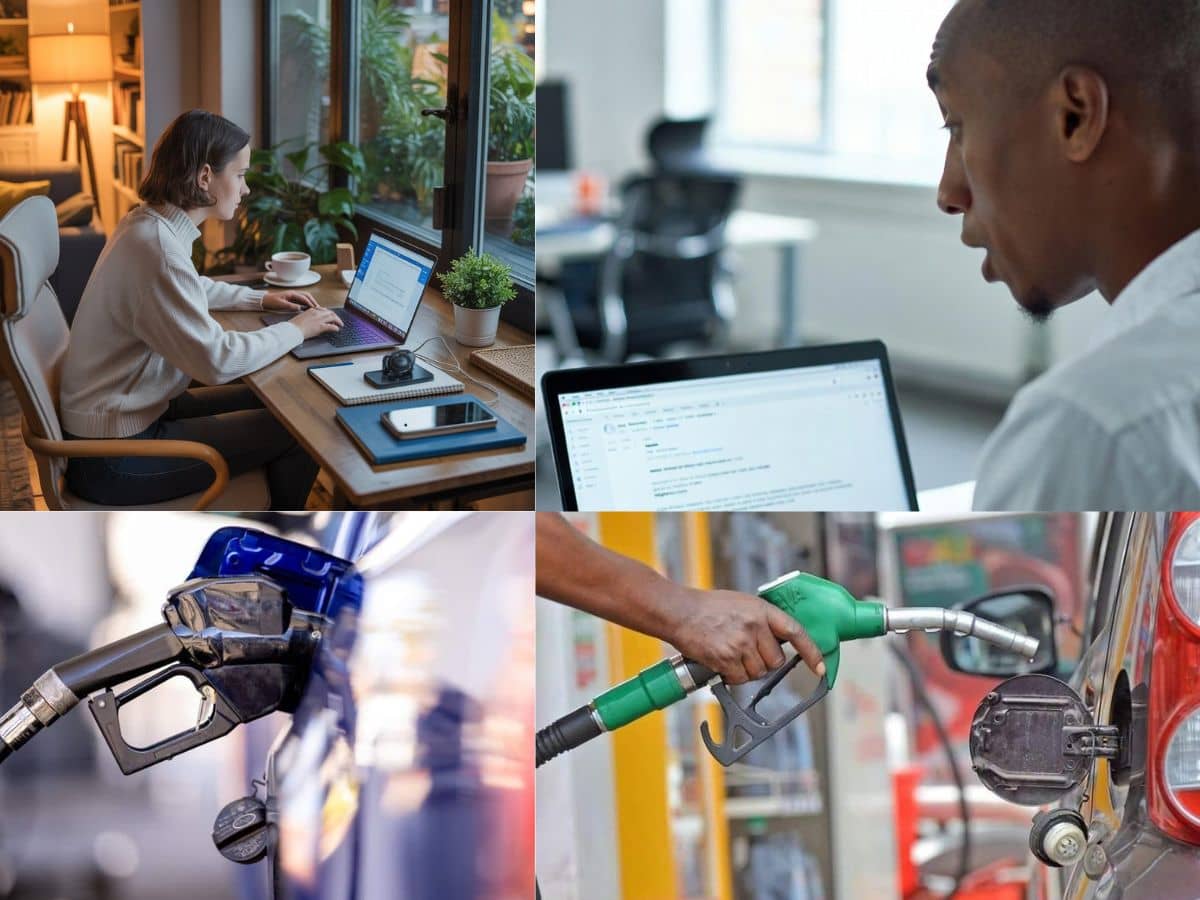
Just when you thought that the days of lockdown were far behind us, here comes another. It might seem like deja vu, just with a wee bit different players. Instead of an infectious disease, the exuberant rise in the cost of fuel worldwide is the new player here.
It is happening around the same time as the COVID-19 pandemic last March 2020. Here we are again, right in the midst of a petri dish. This time, it’s not a virus or a disease, but a rather paralyzing factor that many even deemed more chaotic than the previous pandemic.
While we are not yet experiencing a full shift to remote work, there are changes that are kind of reminiscent of being locked down again. A WFH recommendation is being adopted by a lot of countries. Let’s take a look at how some countries have already begun such arrangements.
The revival of remote work
After the pandemic, there were private sectors that maintained the WFH scenario, at least for a couple of days or a hybrid system. While many have already transitioned back into personal reporting at work, you may have to get back to working in your own nook at home.
Many countries have begun recommending remote work to conserve fuel. This may mark the start of broader measures. If current trends continue, there could be renewed reductions in regular workplace attendance.
There could be a sudden shift in urban geography. We, again, may see a lot of corporations demanding that their employees shift to WFH. The rising cost of fuel can make gas prices an economic impossibility for a lot of people, even for the middle class.
This scenario is impacting the middle class significantly, with even those in the upper tiering beginning to feel financial pressure.
Is it just a mere suggestion?
Initially, it is. But for some countries, it is a mandate already.
This is more particular in Southeast Asia. Countries have transitioned from merely recommending WFH to strongly encouraging, implementing, and mandating remote work.
Several countries have already integrated this into their fiscal policy to lower the demand for domestic fuel.
Philippines
This is initially for government workers. The executive branch has already transitioned into the 4-day workweek. This excludes frontline services, though.
While this is not yet a mandate for the private sector, we may soon see this becoming a reality. The government is already strongly urging private companies to adopt an alternative work arrangement. Some BPO firms have already triggered the emergency remote work to help their employees avoid the pricking pain of the surging fuel prices.
Indonesia
Beginning this month of April, Indonesia has already implemented this. The country has rolled out a mandatory Friday WFH policy. This begins on the tenth of April. And like the Philippines, this is applicable to civil servants.
This policy is set to have a two month trial period to see its impact on the government’s efforts to save fuel and somehow lift the burden from its citizens.
Pakistan and Laos
The country has reduced school days, limiting it to 3 or 4 days instead of the mandatory 5. Similar to the Asian countries mentioned above, government offices are adapting the 4-day workweek as well.
Malaysia
Beginning April 15, government employees will work from home. This can affect a massive portion of their workforce compared to Indonesia. This extends to government-linked companies, too.
Thailand and Vietnam
Though not yet a mandate, these two countries are strongly urging public employees to work from home whenever it is feasible.In Thailand, the government is strongly urging those who still work in the office to increase the temperature of the air conditioner to save energy.
What can this trigger?
Soon, we can see more countries following suit, mandating employees to go back to the four walls of their once WFH station at home.
With this possibly happening, this can trigger something else. High-speed internet will be treated as a luxury. Though, it is already a necessity for a business even before the crisis began to burst. But with everyone going back to remote work, the idea of data for diesel swap is not far from becoming a reality.
Governments now have to keep the internet running smoothly. Maintaining the smooth operation of the internet may be one of the more feasible ways to keep everyone off the road. If no work can be done at home, many may be forced to go out again. This can undermine the efforts to save fuel.
How is it different from the WFH situation in 2020?
Simply put, the 2020 mandate for remote work is to help keep the curve flat and to prevent people from getting sick and potentially dying from the virus.
Remote work today is triggered both by both the government and the private sector’s response to save energy. You would also prefer to stay home to spare yourself from the rising cost of fuel and possibly your entire salary being eaten by the price of fuel alone.
Badly put, 2020 taught us how to work from home and maintain productivity as the virus lingered for a few more years. Today, it’s giving us a reason. We are going to work from home because we don’t want a huge chunk of our hard-earned money being spent on going to work alone.