Before we dive into this still controversial topic, there are several things that we will discuss. If we are going to dabble into VPN & privacy, you have to be educated on the trust shift and absolute privacy.
What are you choosing when you use a VPN?
This is called the trust shift. You are taking your trust away from your internet service provider and shifting it to the VPN provider.
Here is what happens.
You are choosing who gets to watch your online habits
With a VPN provider, your ISP will no longer be able to view any pertinent information you share online. It will no longer be able to see which websites you often visit and how often you visit them.
This means that you also get protection from hackers lurking in public Wifi connections.
In a sense, you are choosing just the VPN provider to watch your online habits instead of other companies, businesses, and private entities.
You are centralizing your internet habits
The internet is designed to be decentralized. By using a “trusted” VPN, you are choosing to centralize it.
With a decentralized system, a lot of entities can see the entry and exit points of your internet habits. From your Internet Service Provider to the websites that you are visiting, these have access to such information. Thus, this puts you at risk of your details being sold to third parties, especially if you visit dubious websites.
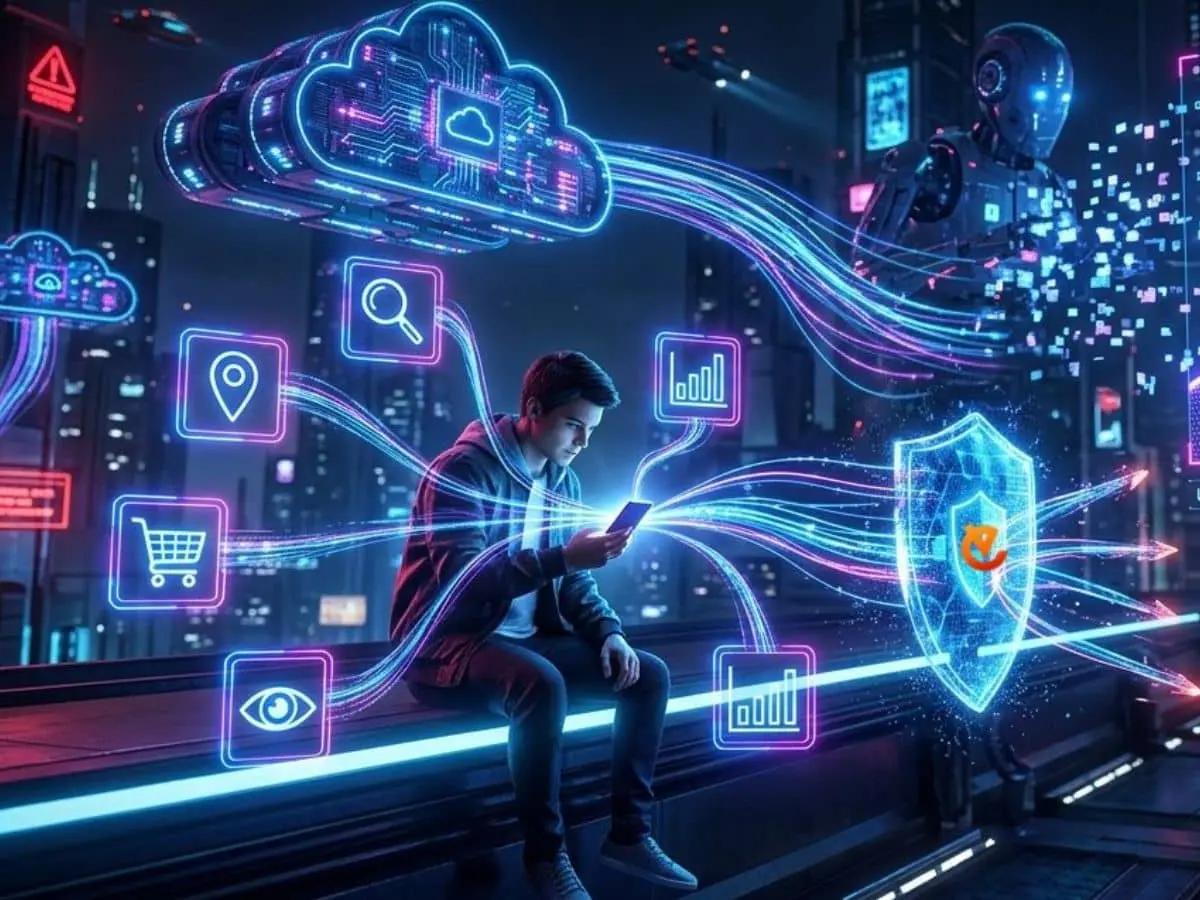
Getting a legit VPN narrows down this risk. Now, the VPN provider will be able to take a glimpse of what you do in the virtual realm. Your privacy is protected to a certain extent, with only a single entity having access to it. With this reality, it would still be wise to be vigilant about what you share online.
There is no such thing as absolute privacy
Trusted VPN providers make use of expensive servers to keep your data confidential.
These companies are incentivized to protect you, and such leaks can be a massive dent in their business. When they protect your data, they also protect their integrity.
But keep in mind that there is no absolute privacy. It’s more about anonymity than privacy. Your ISP, other websites, and hackers can no longer see your online details and habits, but the VPN provider can.
And there is this issue about VPNs keeping logs. This can be a matter of legal jurisdiction. If a VPN is based in a country with mandatory data retention, the no logs claim is a myth. They are lying to you. The Fourteen Eyes agencies, such as the US, UK, Canada, and Australia, do not have forced logging laws yet, but they do have a mechanism that can secretly compel a VPN company to start logging a specific individual.
These are things that you have to keep in mind.
So can VPNs still be trusted?
The short answer is yes, some can and do. But you have to manage your expectations and don’t expect absolute privacy with the things that we have discussed above. It sure does protect you from your data being sold online to third parties and your service providers; it protects you from hackers, too.
But you also have to be vigilant in choosing which VPN to use. We have reiterated the terms “legit and trusted” above. As such, do not fall for free VPNs that promise the same protection. Trusted VPNs make use of expensive servers while cheap ones do not.
There’s the fee trap. Never fall for that one. These dubious companies sell your data. How else would they be able to keep their business afloat with such a free badge?
The no logs promise
Here is another thing to consider. Should you be looking for a VPN that does not log details, you are looking for a needle in a haystack.

It is often a marketing scheme forged by VPN to lure more clients. Unless a company has been audited by a third party or has its servers seized by a bureau or the government, that’s the only time you can trust this marketing badge.